

Supporting women-led income generation across rural and semi-urban communities
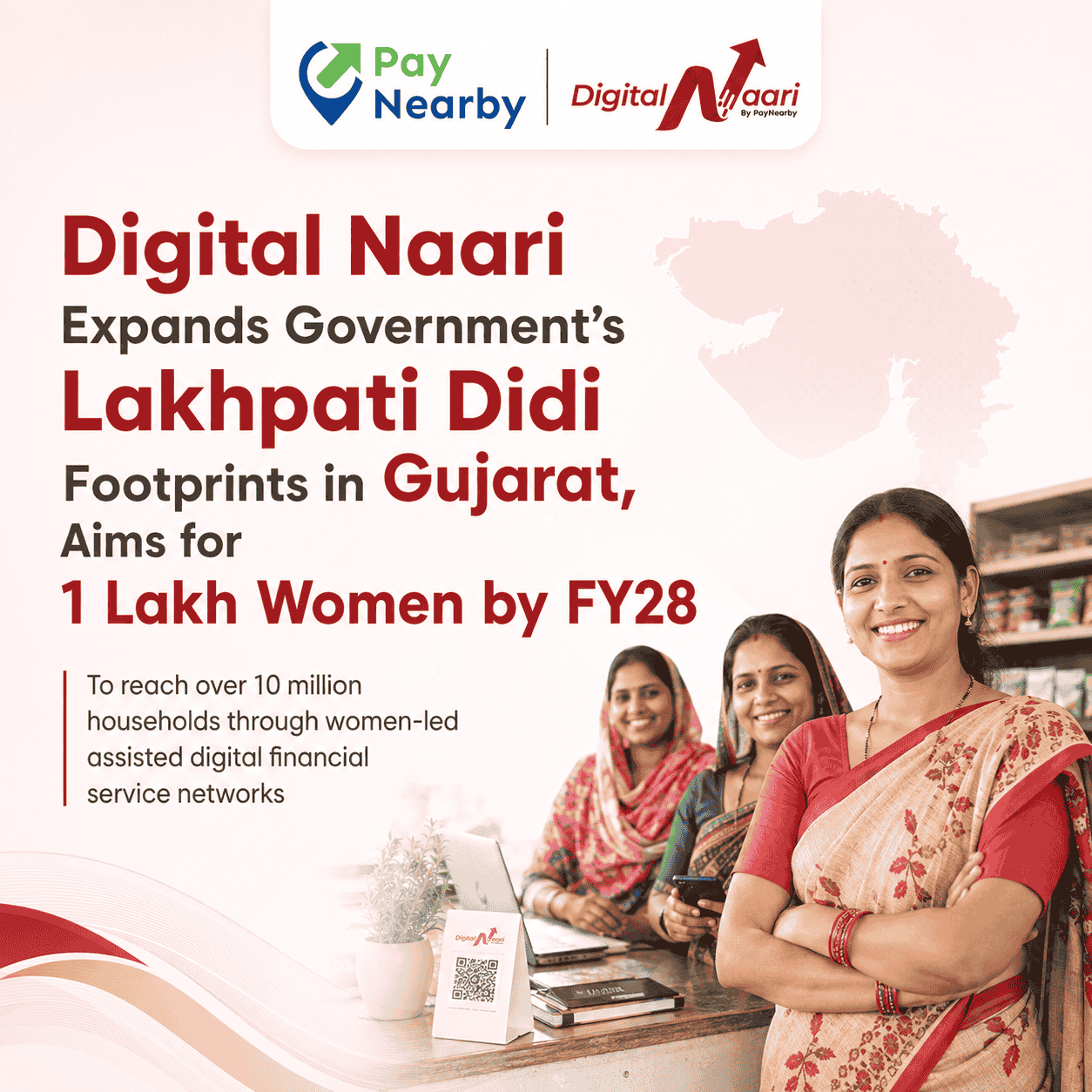
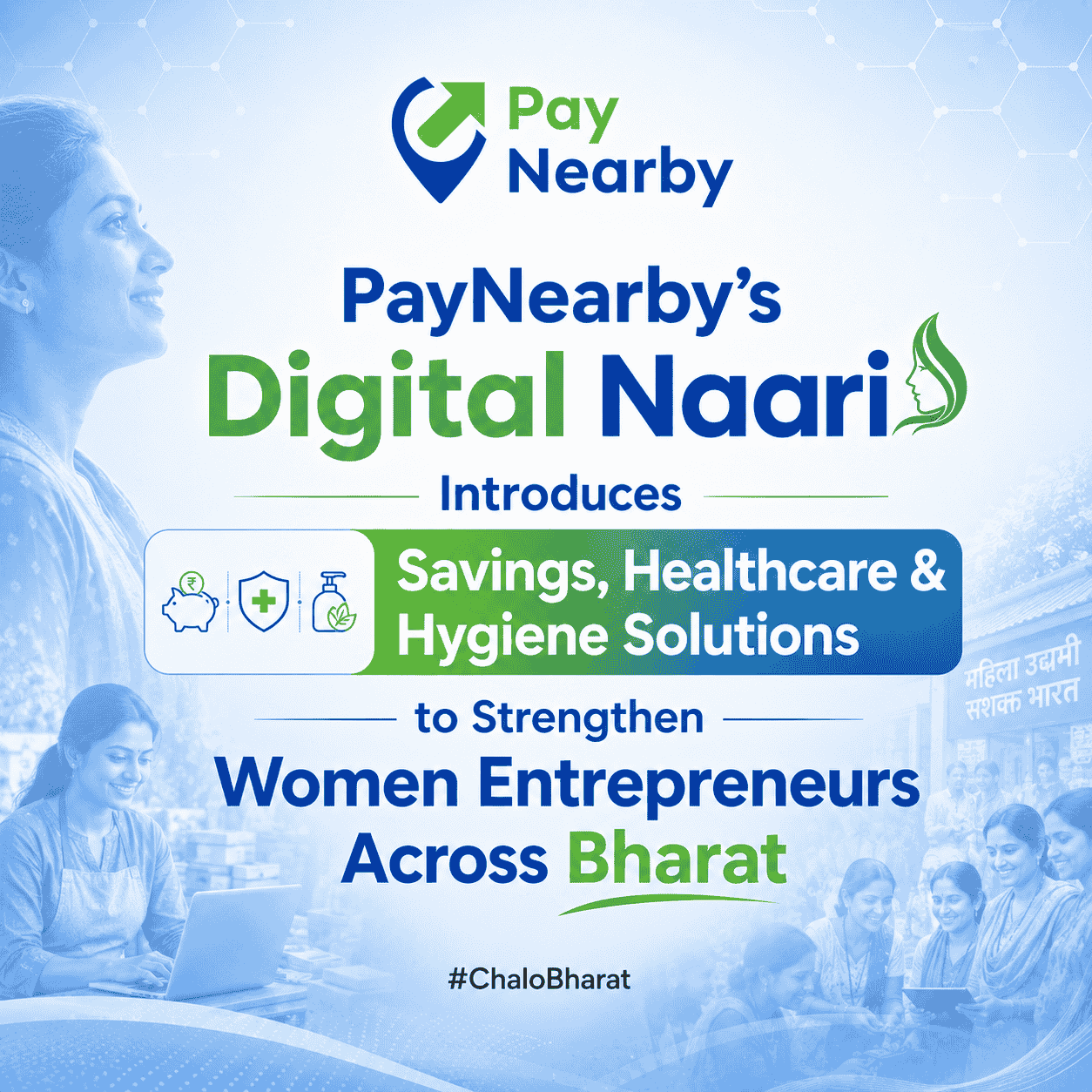
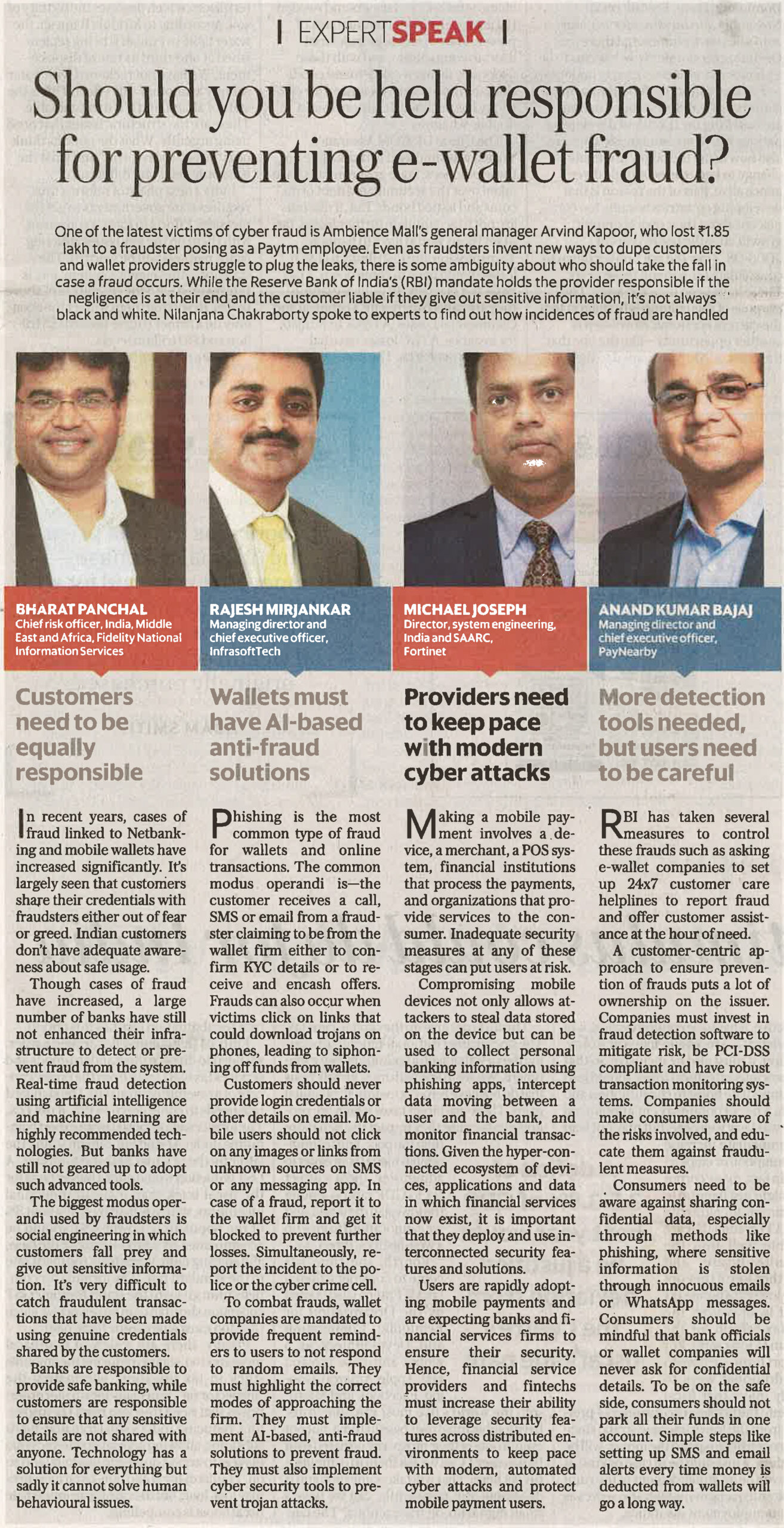
Maharashtra is accelerating women-led entrepreneurship under the Lakhpati Didi mission, with a focus on enabling rural and semi-urban women to build stable and structured income streams. The state has set a target of creating 1 crore Lakhpati Didis. So far, over 38 lakh women have achieved this milestone, while another 56 lakh have been identified as potential beneficiaries. Participation is also reflected in the 2.4 crore women registered on the Digital Aajeevika platform, many seeking reliable and locally viable livelihood opportunities. In this evolving landscape, PayNearby’s Digital Naari initiative is supporting income continuity by enabling women to become providers of assisted financial and digital services within their communities.
As the emphasis shifts from enrolment to sustained earnings, particularly in smaller towns and villages where consistent earning avenues remain limited, Digital Naari is helping convert local demand for everyday services into commission-based income opportunities at the last mile.
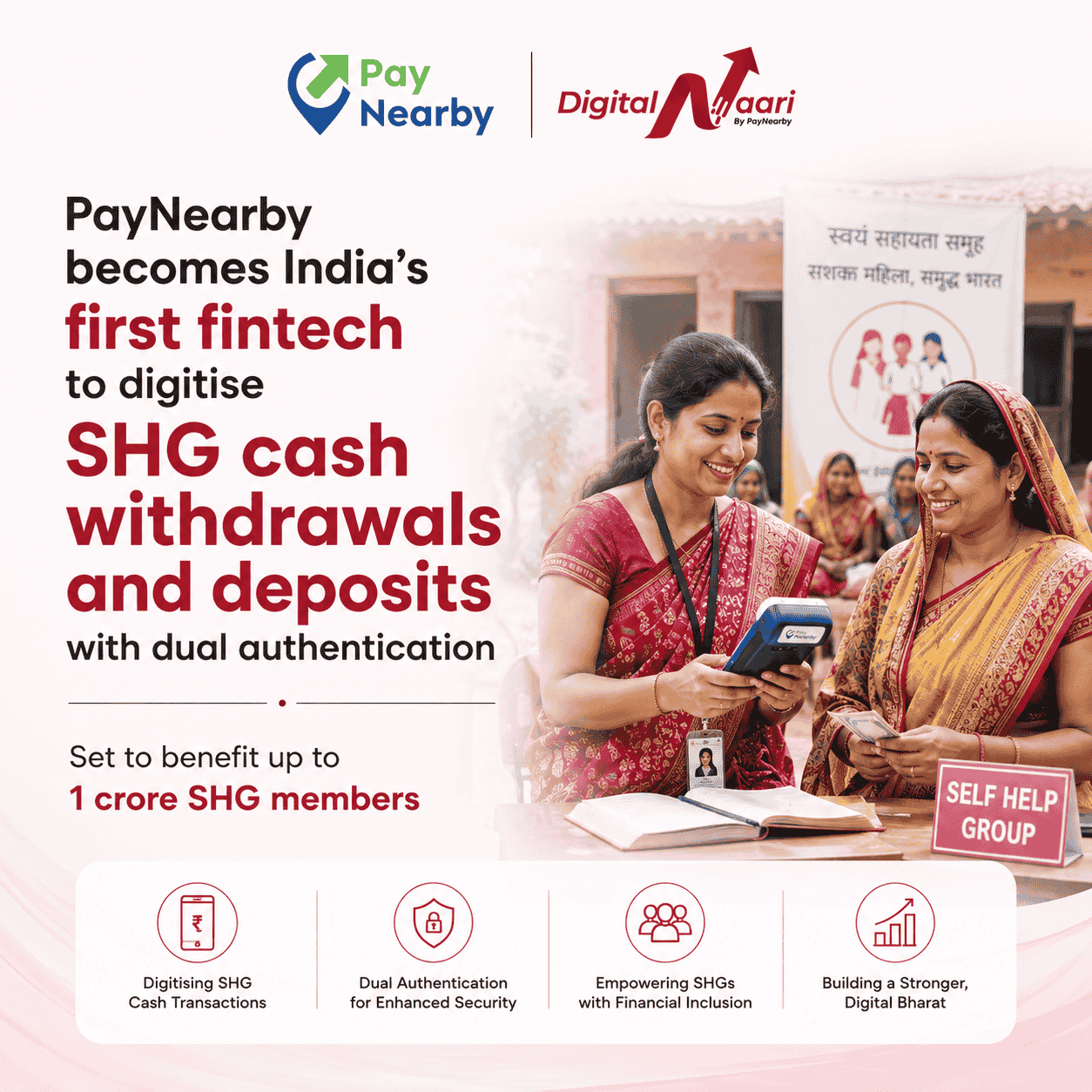
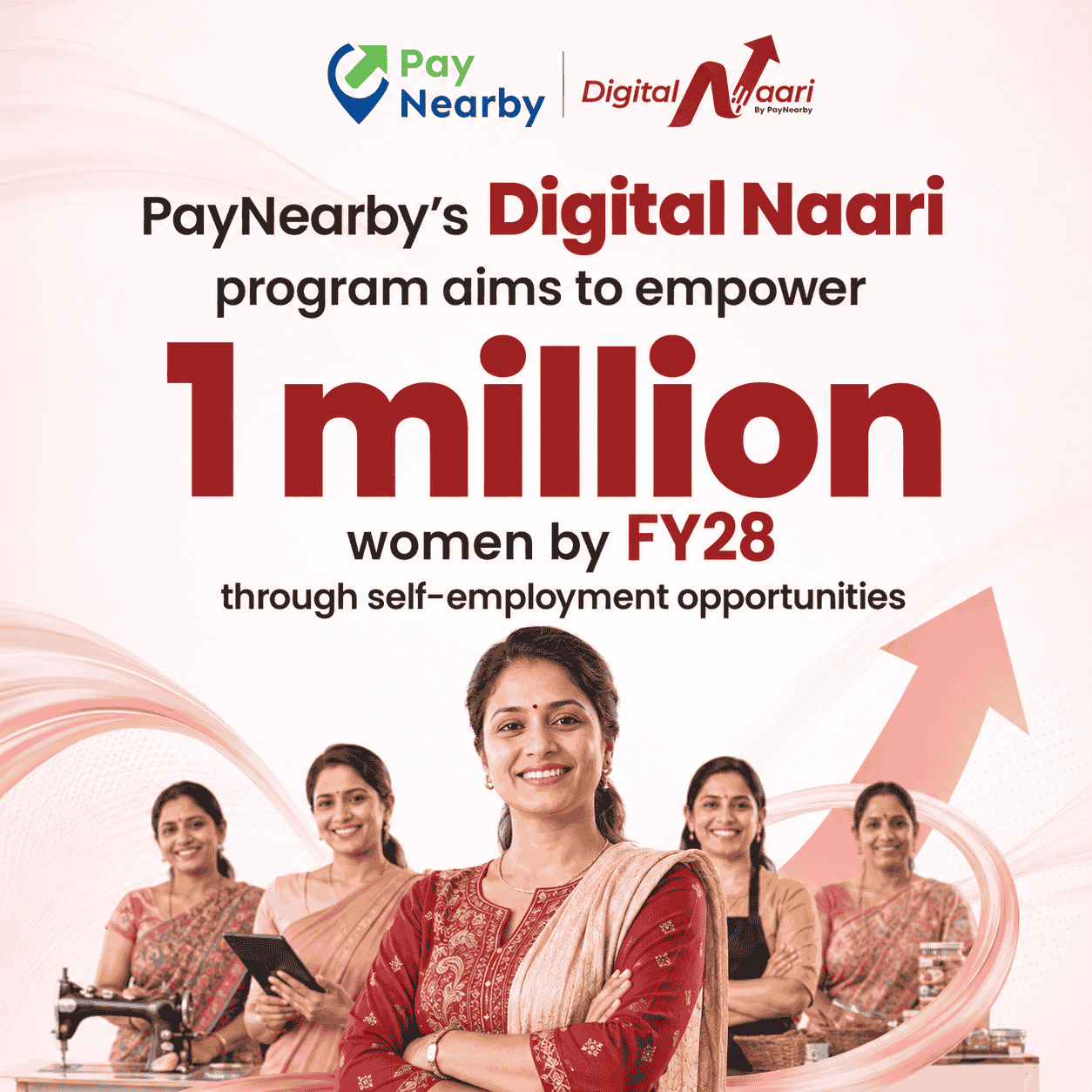
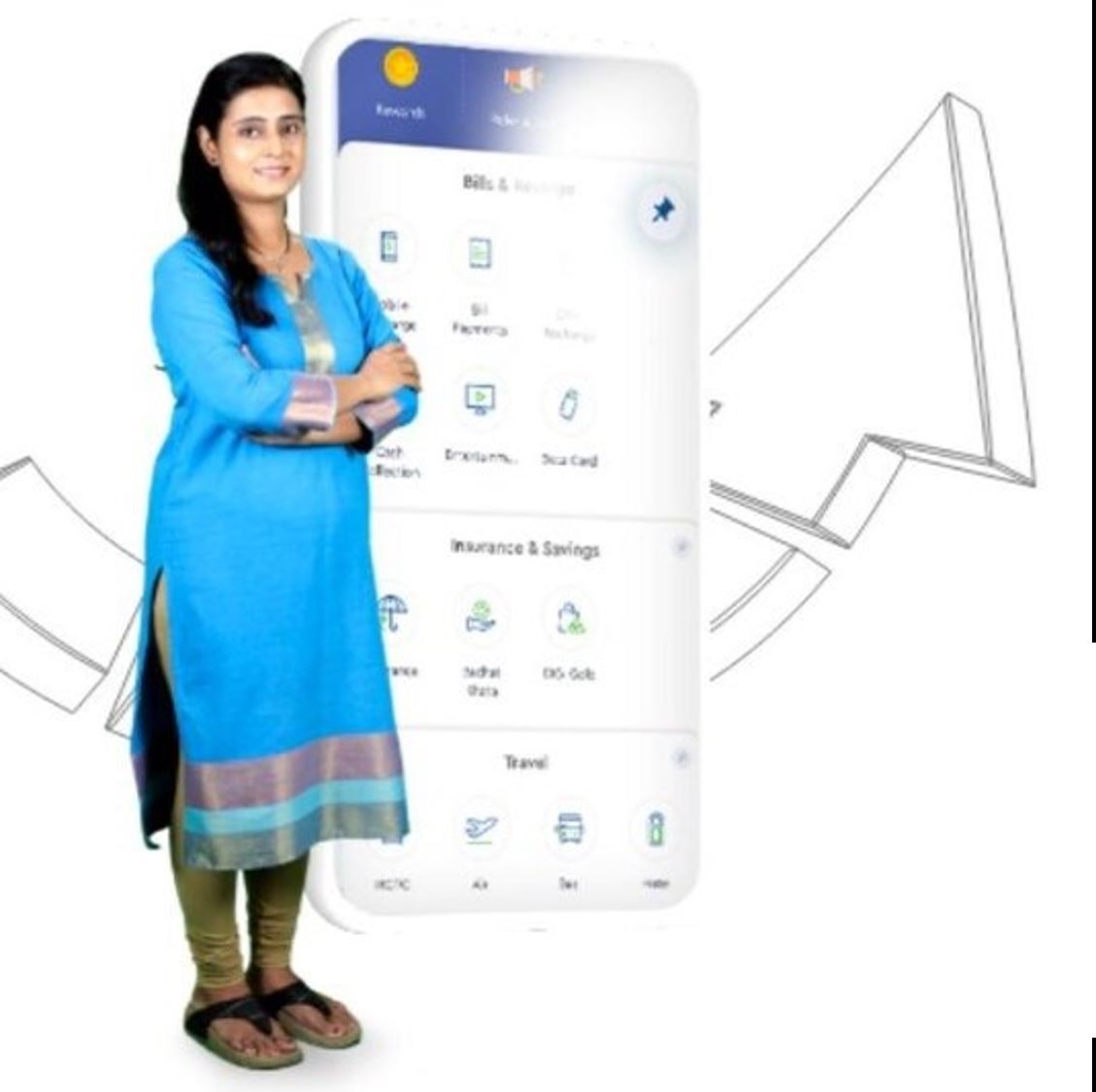
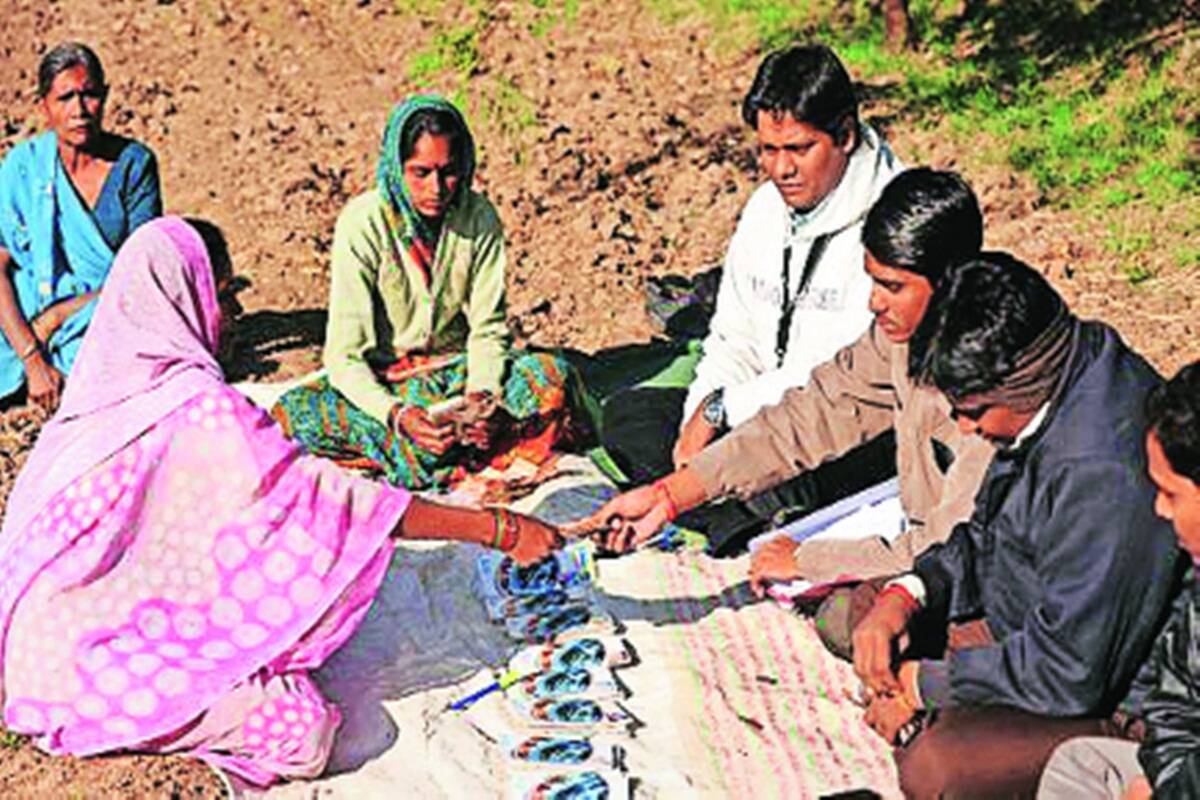
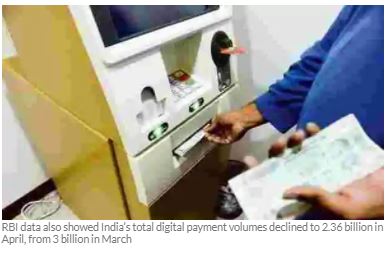
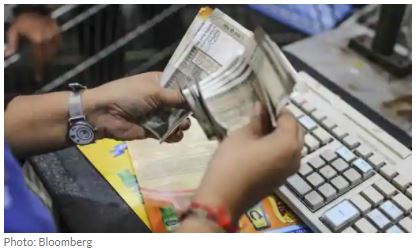
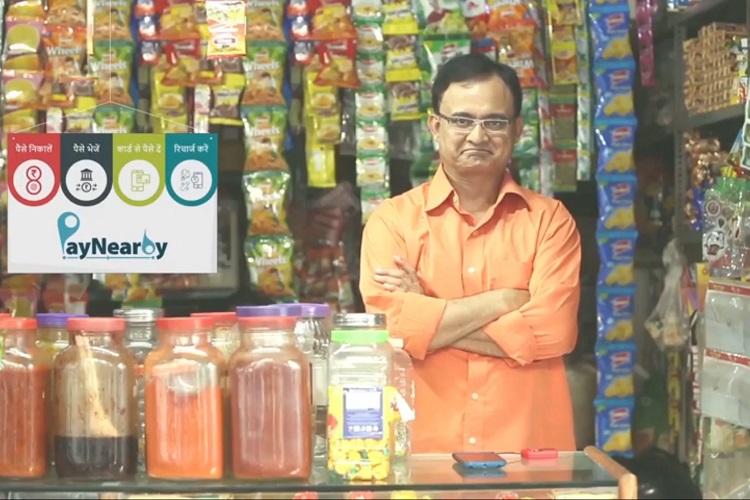
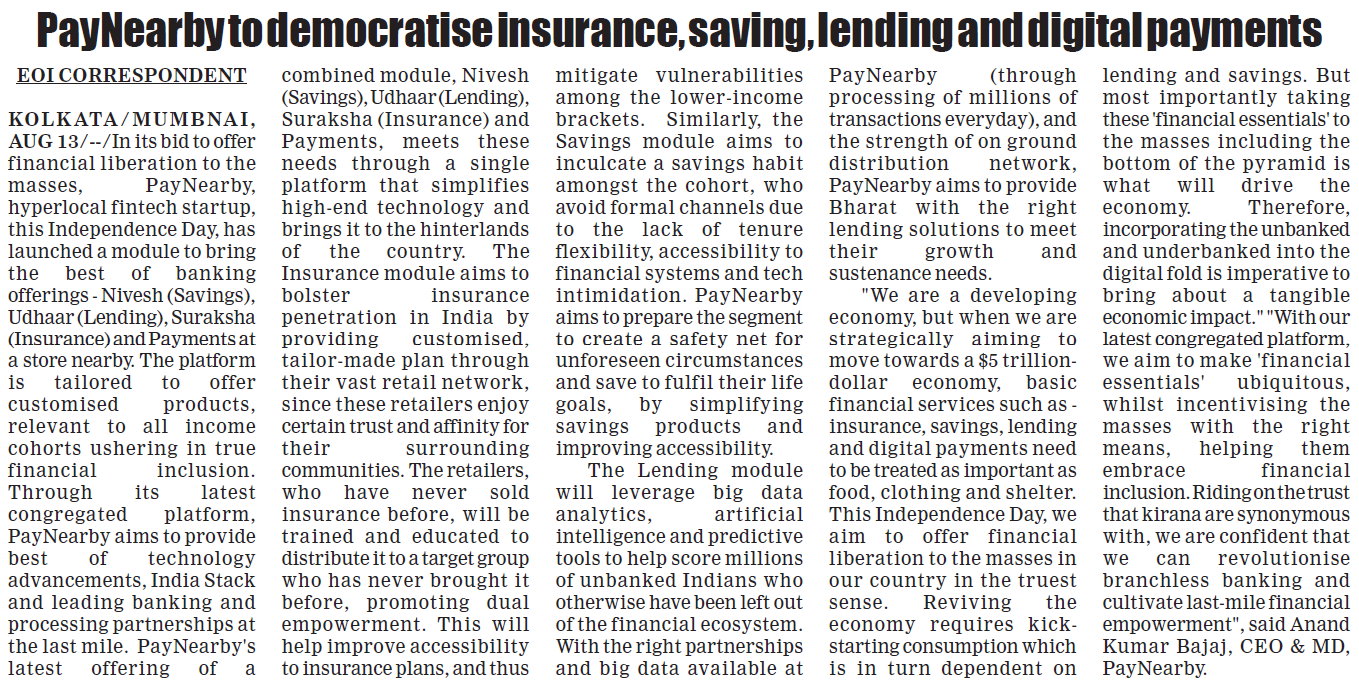
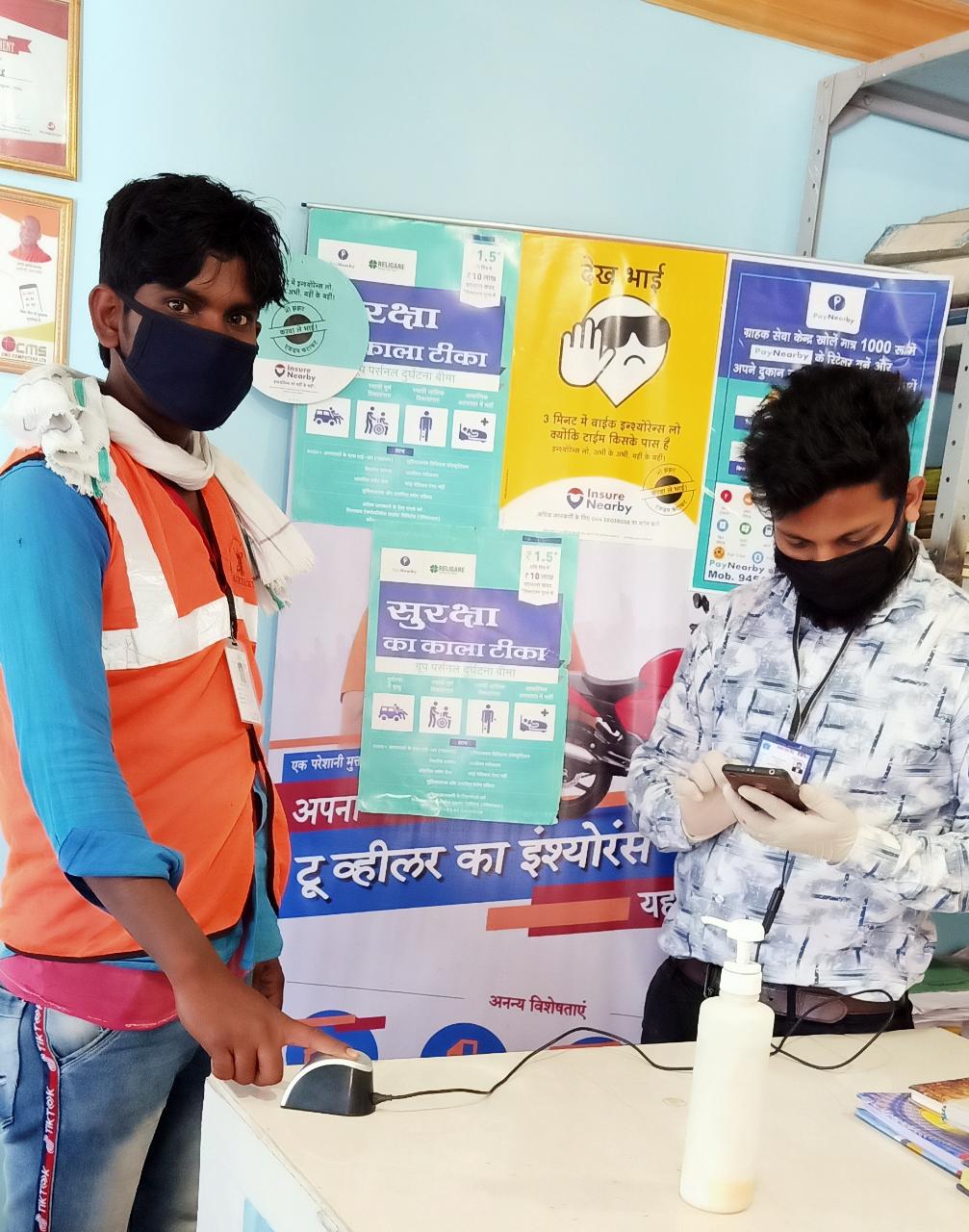
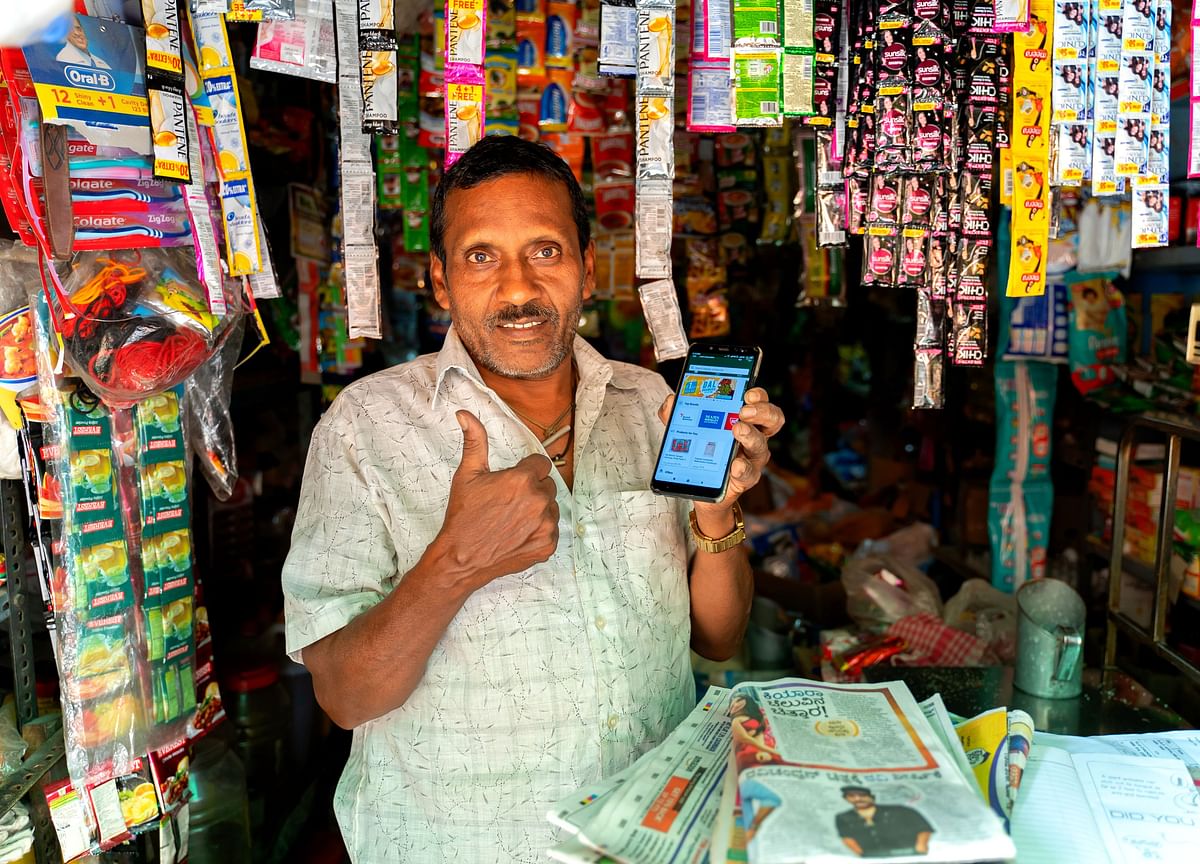
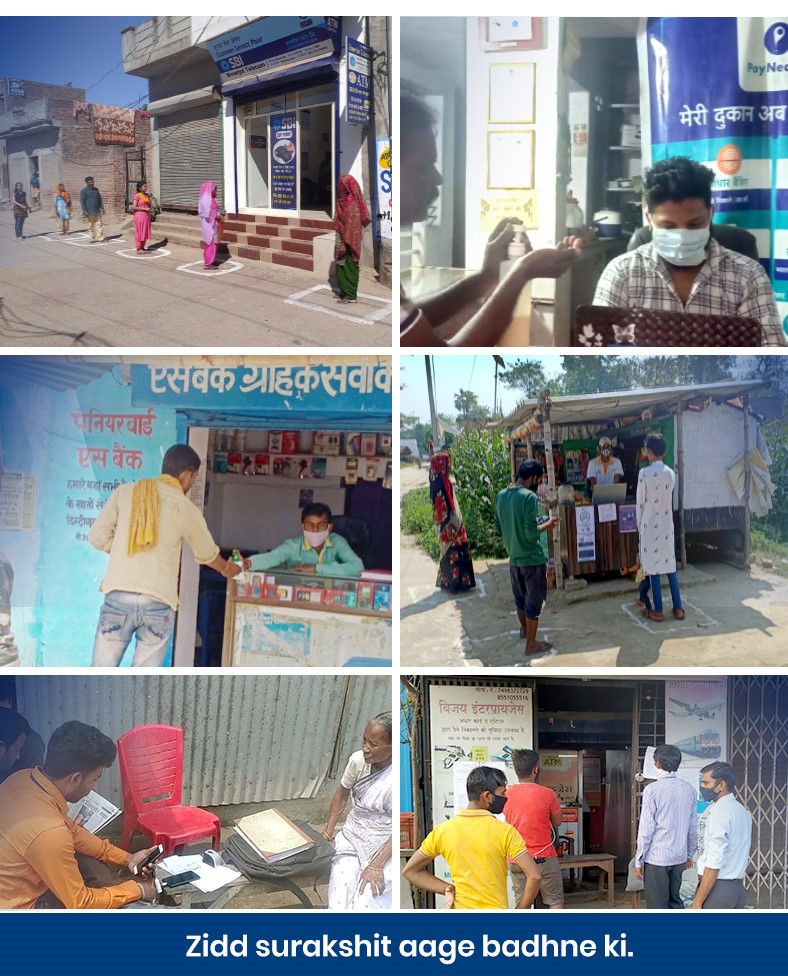
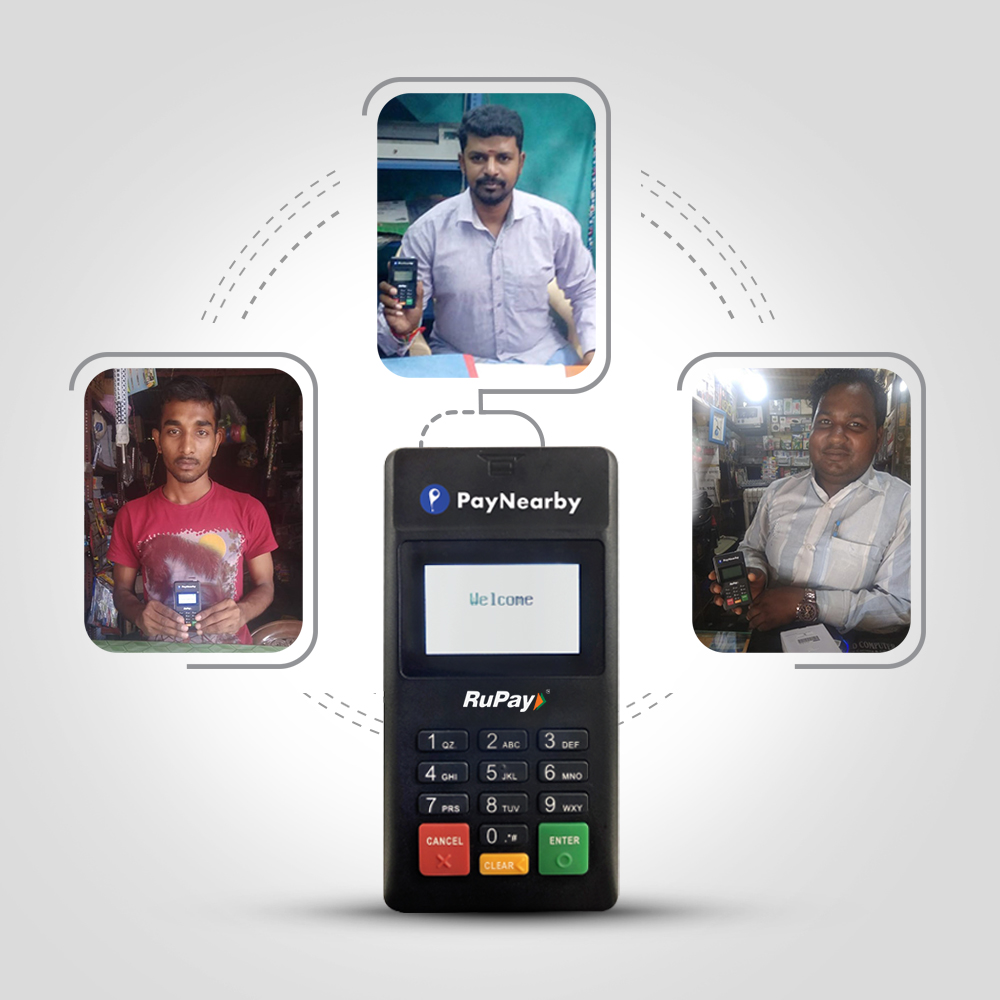
PayNearby’s Digital Naari equips women with simple technology and structured training to deliver assisted financial and digital services within their communities. Each Digital Naari, often known as a banker didi, offers essential services such as cash withdrawals, account opening, money transfers, bill payments, insurance, credit, health and hygiene services, and mutual funds. Every transaction earns a commission, enabling women to build steady income while expanding access to essential services at the grassroots.
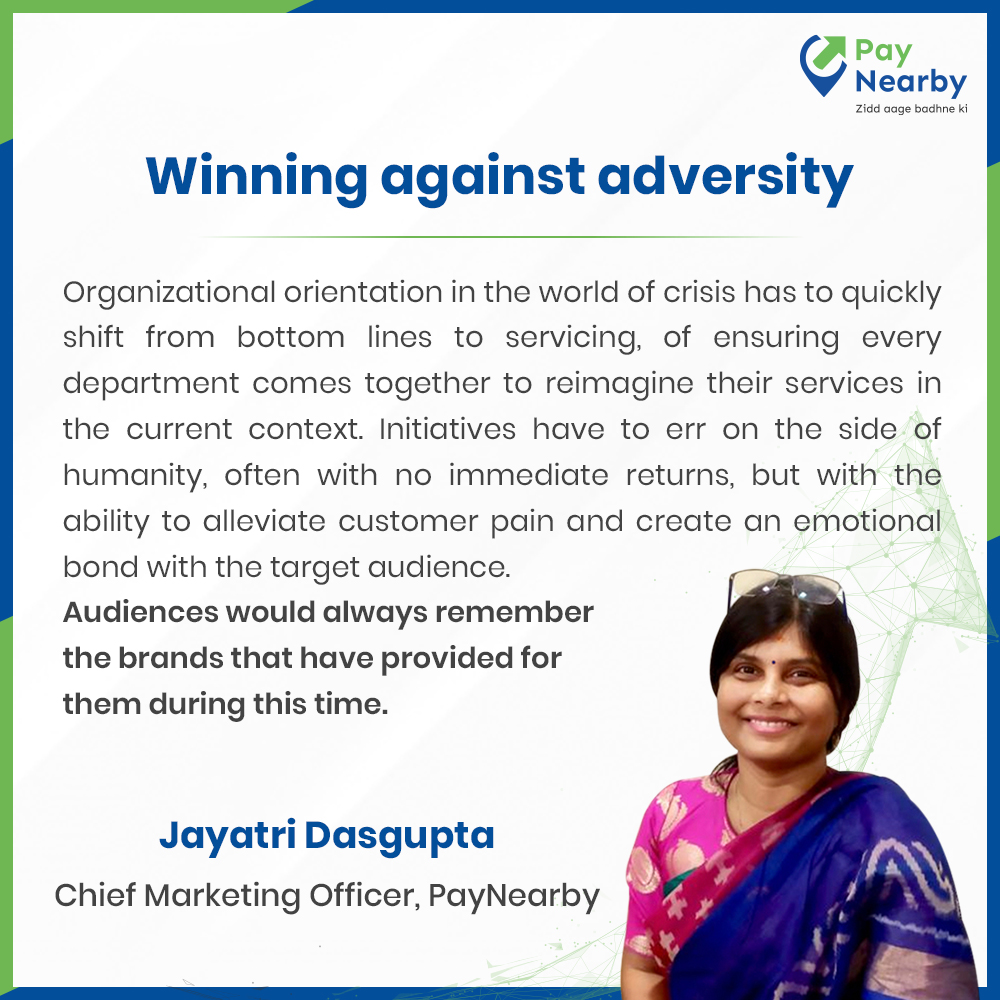
Jayatri Dasgupta, CMO, PayNearby and Program Director, Digital Naari, said, “As Maharashtra advances the Lakhpati Didi mission, the focus is moving toward enabling consistent income at the last mile. Women agents are delivering essential services that households need regularly, which creates repeat transactions and commission-based earnings. Our role is to provide structured training and accessible technology so women can build steady income while bringing reliable financial services closer to their communities.”
Maharashtra has an extensive self-help group network, with many women already linked to formal banking systems and livelihood initiatives. The next step lies in converting this participation into consistent income through accessible, demand-driven service models at the local level.
In Gadchiroli, Nutan’s experience illustrates how income-linked service models can stabilise household earnings. Earlier dependent on seasonal agriculture, she joined Digital Naari through her self-help group and began offering assisted banking services in her village. She now supports over 250 households, particularly during government benefit disbursements, reducing the need for residents to travel long distances for basic financial access. The additional commission income has strengthened her family’s financial stability while positioning her as a reliable local service provider.
A similar transition is visible in Nashik, where Dipali moved from being a homemaker to operating her own assisted service point. After joining the programme, she began earning regularly through services such as money transfers and bill payments. The role has contributed to household income while reinforcing her presence as a financial access facilitator within her community.
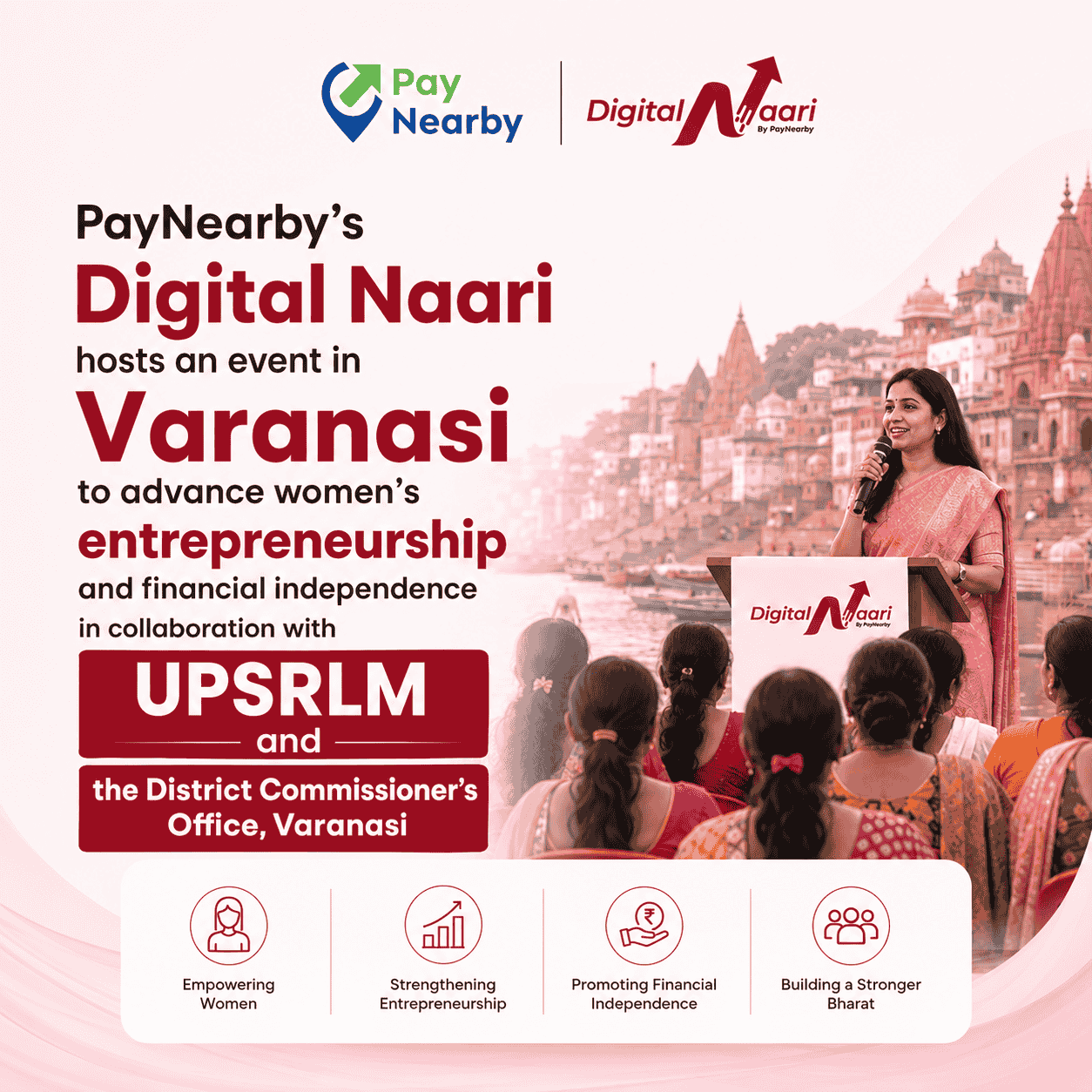
To expand its reach across the state, PayNearby works with State Rural Livelihood Missions, self-help group federations, microfinance institutions and development organisations. These partnerships support onboarding, structured training and integration into formal financial networks.
As Maharashtra progresses toward its Lakhpati Didi goals, Digital Naari is supporting on-ground execution by linking digital access with commission-based entrepreneurship. The programme enables more women to build stable incomes, strengthen local service access and participate more actively in the state’s economic growth.
- Source – PayNearby
- Published Date – March 10, 2026