

A detailed analysis of women’s financial and digital consumption in 2024-25
- 58% surge in demand for savings accounts with easy account opening options, as more women seek accessible financial solutions
- Insurance adoption sees 22% growth, driven by increased awareness and stronger facilitation by women agents
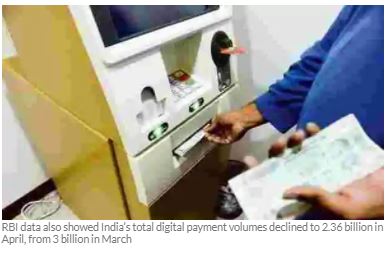
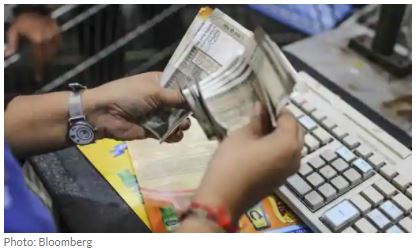
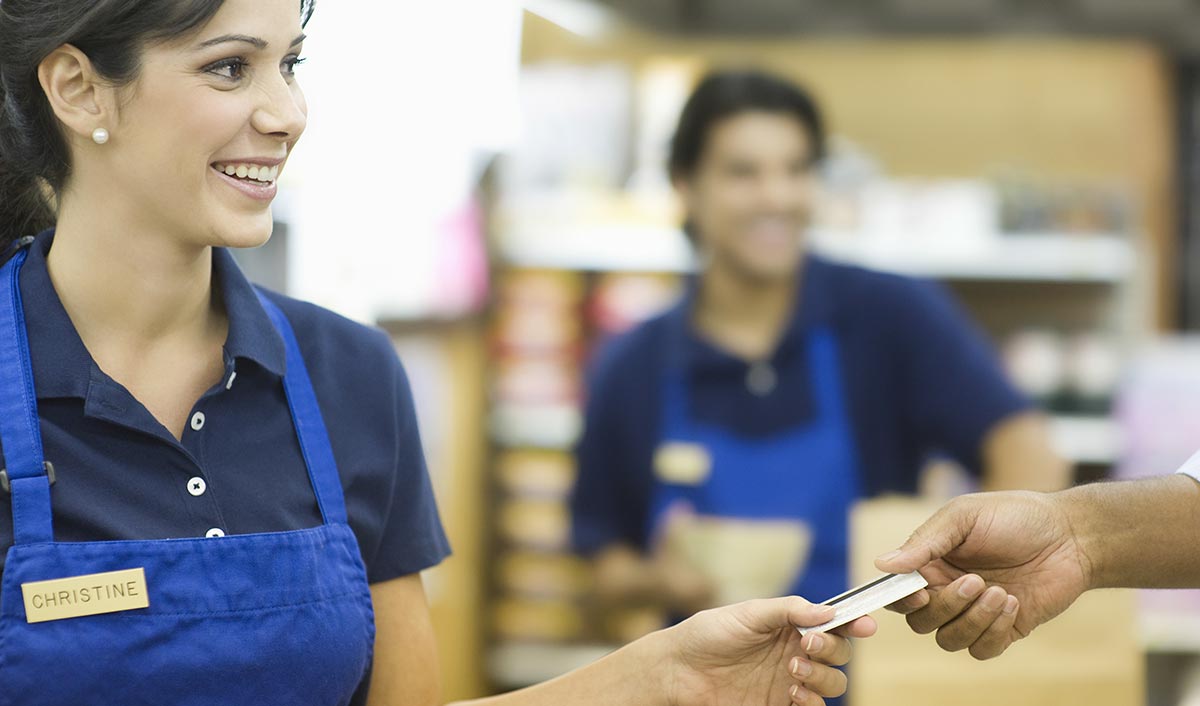
- 90% of women visit women agents and retail stores primarily for cash withdrawals, with the most common withdrawal amount ranging between ₹1000-2500
- 65% of women are open to formal credit, with loans being sought for medical expenses, home repairs, education, and agricultural investments
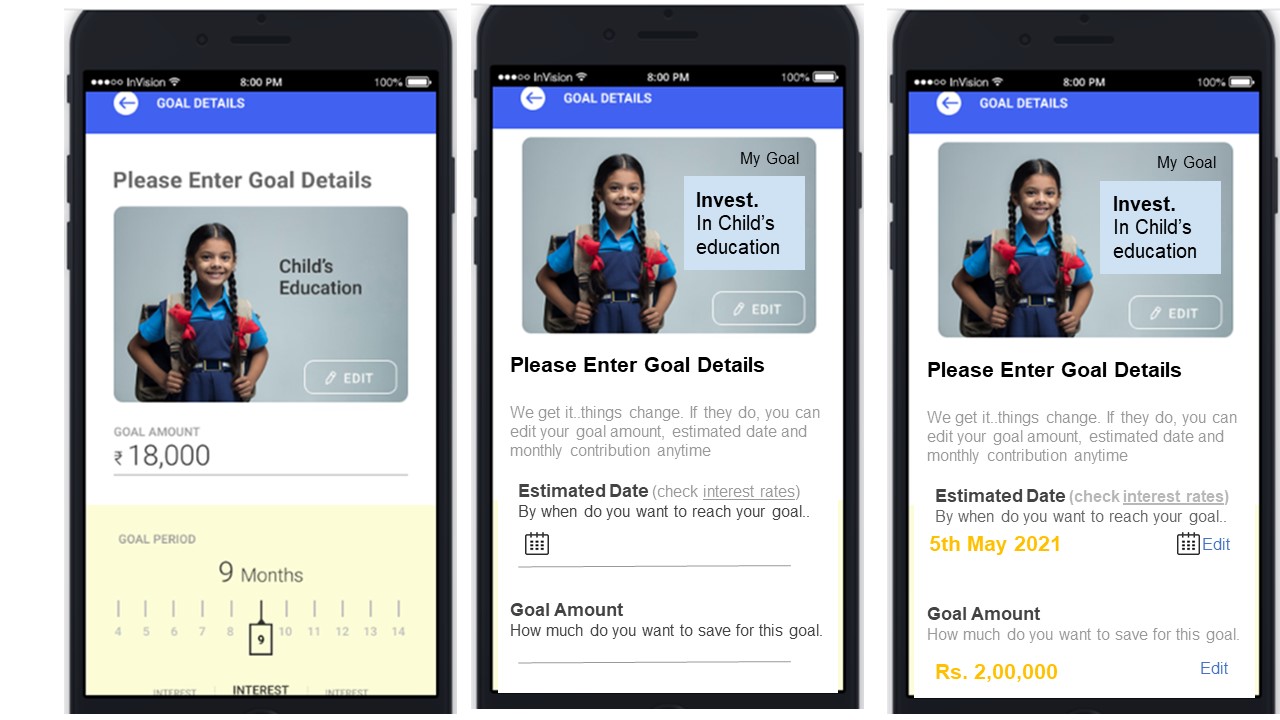
- Among top financial goals, ‘child education’ ranks first, followed by ‘medical emergencies’ and ‘buying household electronic items’, reflecting women’s long-term financial planning priorities
- Swasth (health services) and sanitary hygiene adoption increases, with 38% growth in sanitary pad distribution by women service providers
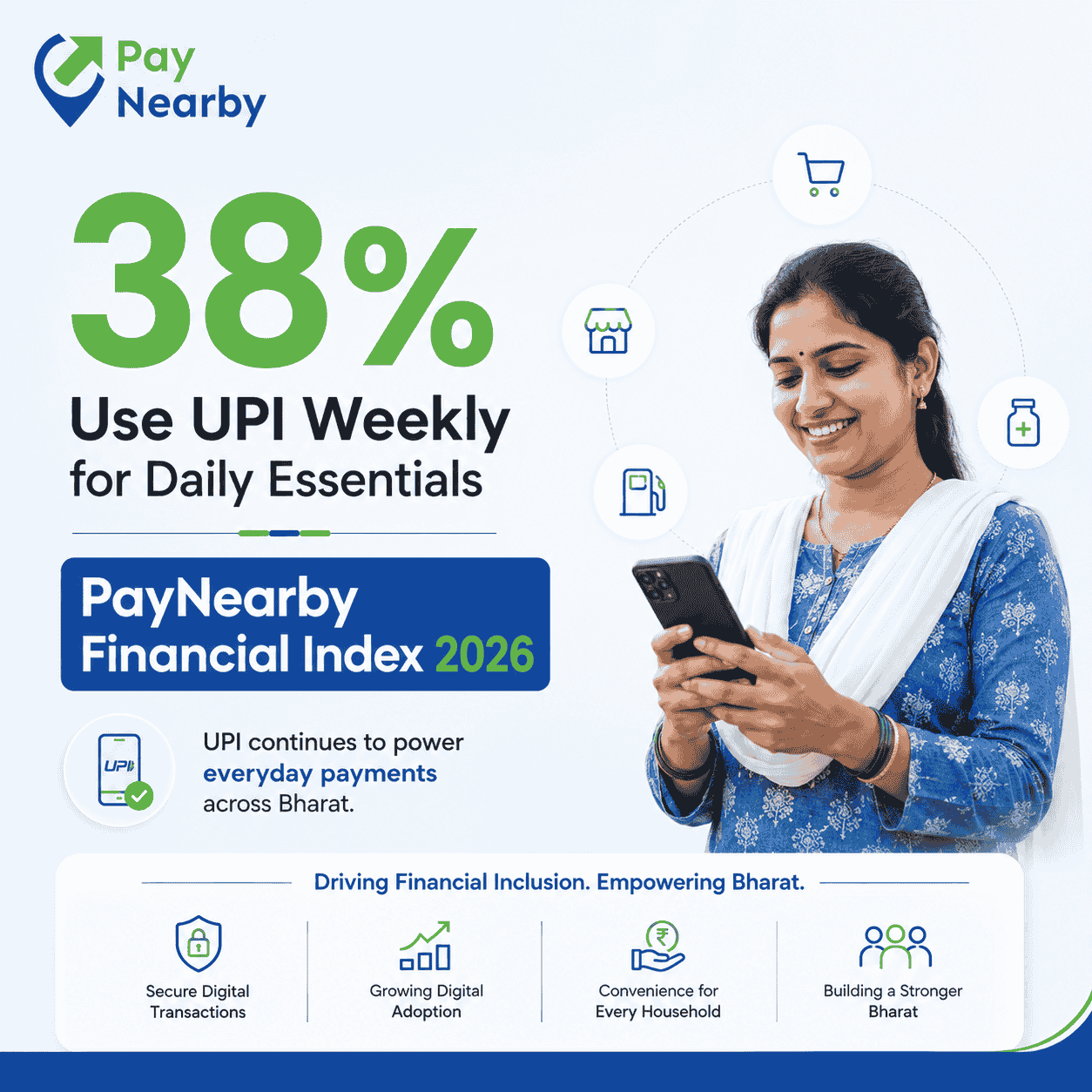
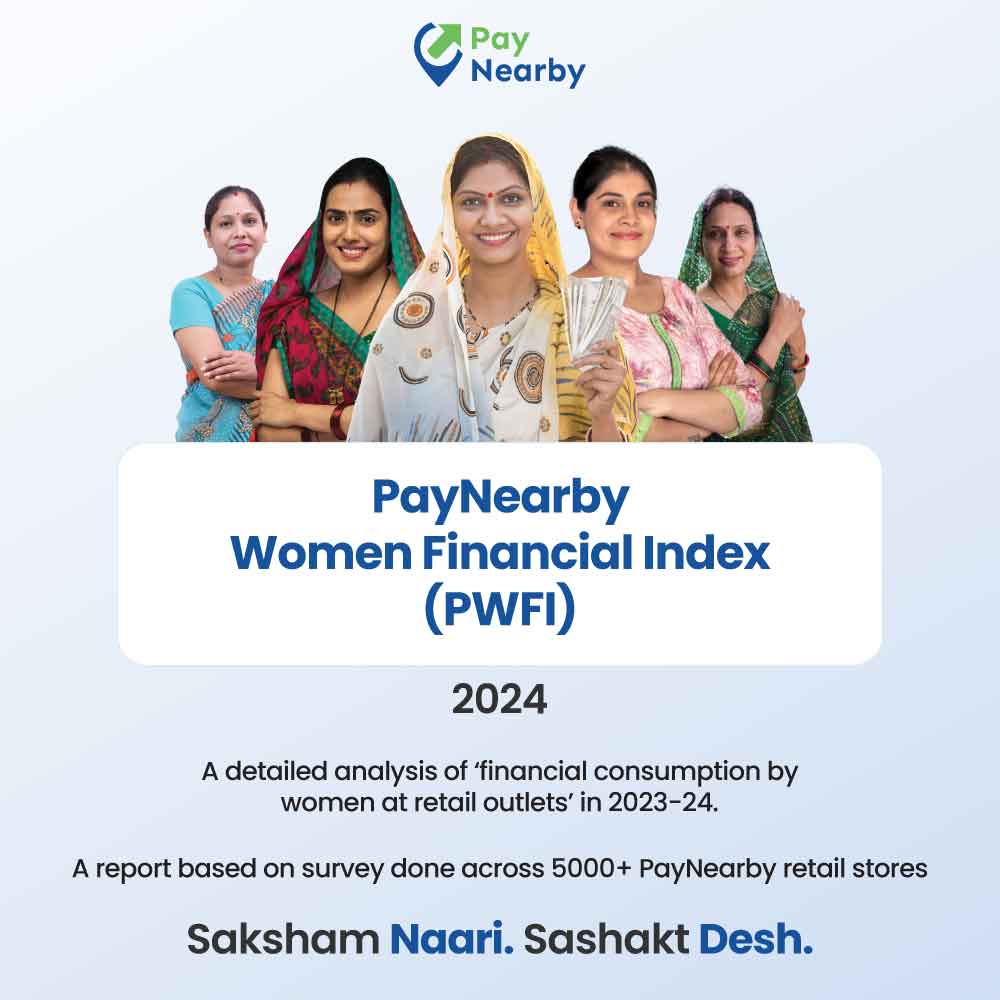
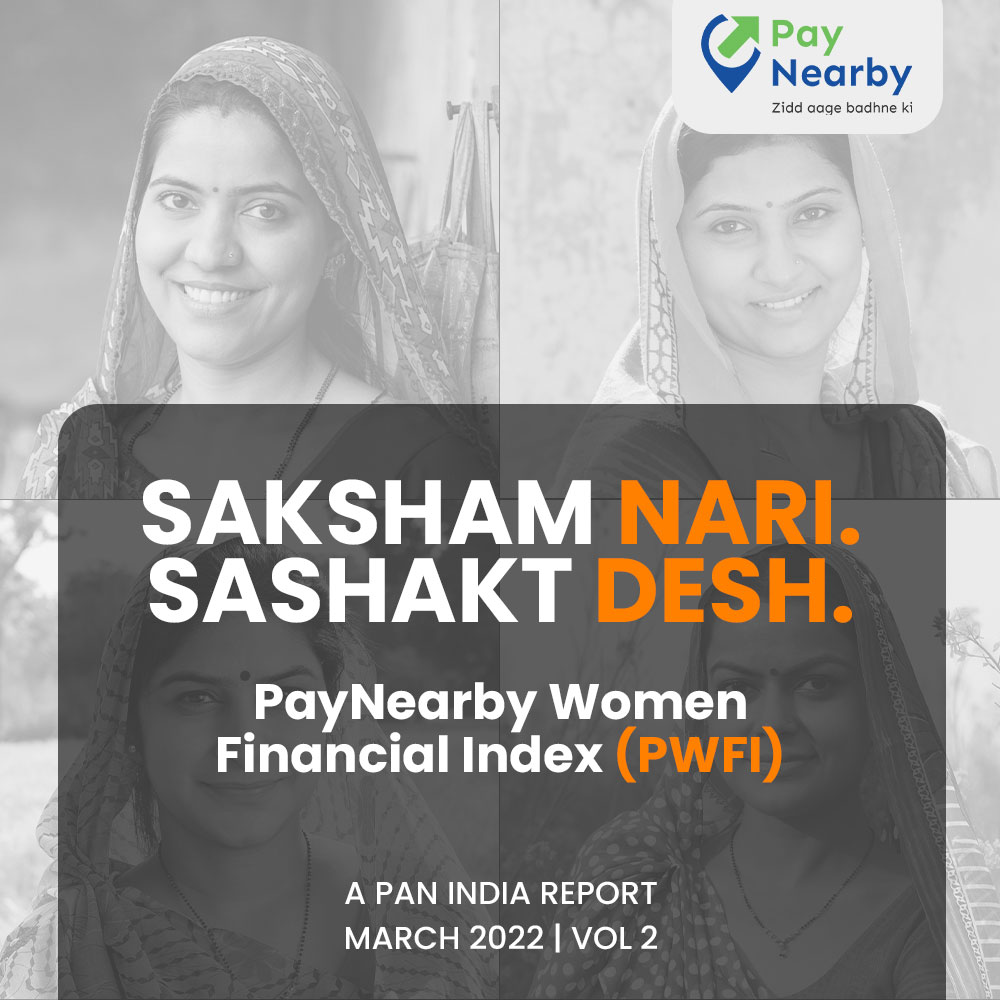
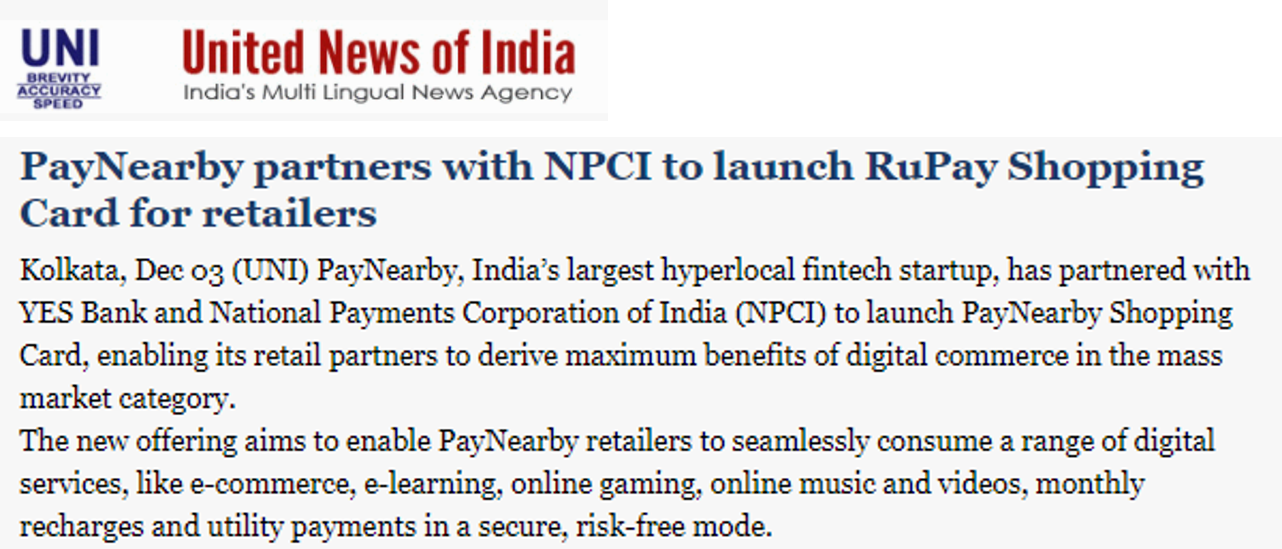
Mumbai, March 06, 2025: PayNearby, India’s leading branchless banking and digital network with over 12 lakh retail partners, unveils the fifth edition of the PayNearby Women Financial Index (PWFI) 2025. The report highlights that 40% women use AePS (Aadhaar Enabled Payment System) Face authentication for cash withdrawals. Additionally, it highlighted a growing shift in women’s financial participation across Bharat, with 65% of women aspiring to become entrepreneurs offering financial and digital services. The findings reveal that women agents are outperforming in their role in providing services such as – dispensing banking, insurance, credit, and digital services, fostering greater economic empowerment and last-mile accessibility.
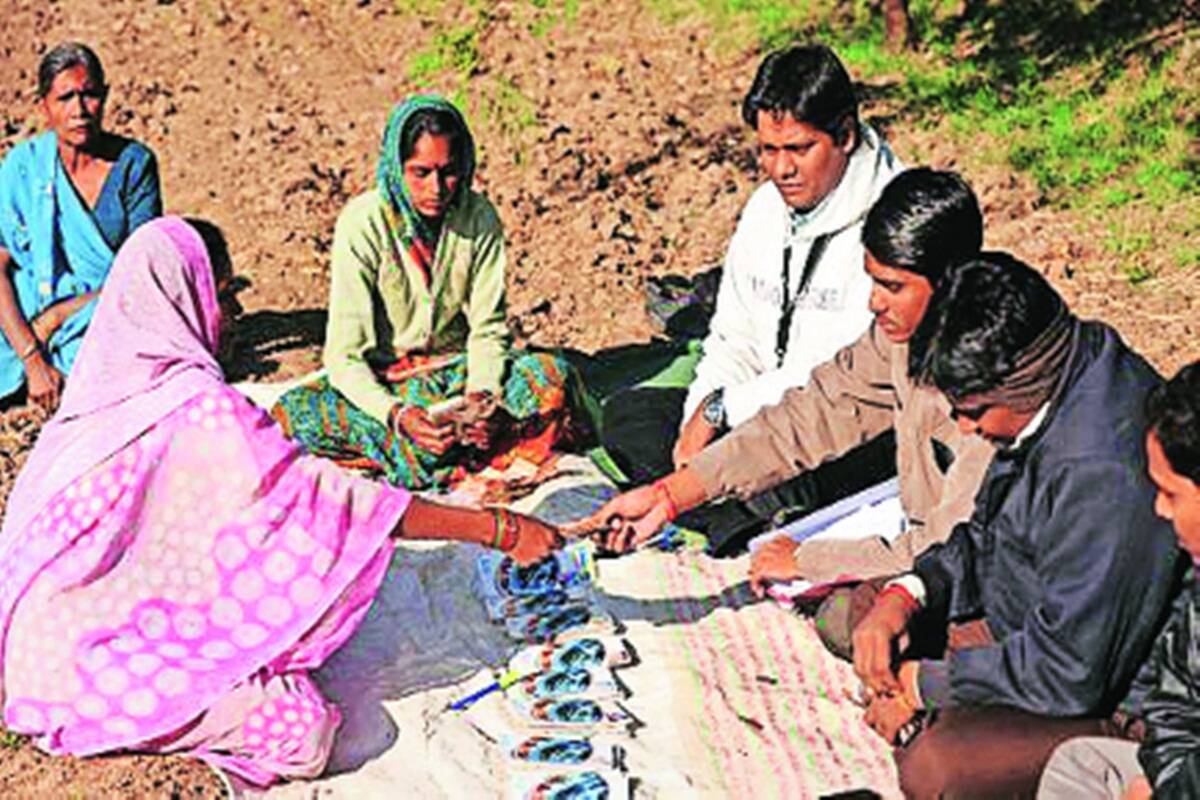
The survey was conducted across 10,000 agents in the country, recording financial transactions of women consumers. The study finds that women in the 18-30 and 31-40 age groups demonstrate higher digital adoption, showcasing a rising familiarity with tech-enabled financial services. A significant 90% of women visit women agents and retail stores primarily for cash withdrawals, with the most common withdrawal amount ranging between ₹1000-2500. Beyond cash transactions, women frequently avail EMI payments, investment options like RD and savings account, and a growing demand for SheCommerce (e-commerce) products was observed, reflecting increased participation of women in digital and financial services.
Women Agents Leading Banking, Insurance and Credit Growth
With women increasingly seeking secure financial solutions, women agents are proving to be more effective in delivering banking and credit services at the last mile. The demand for savings accounts with easy account opening options has surged by 58%, with women customers actively seeking structured financial products such as goal-based savings accounts and flexible deposit options. Among key financial goals, ‘child education’ remains the top priority, followed by ‘medical emergencies’ and ‘buying household electronic items’, reflecting a strong focus on securing a stable future. When opening a savings product, the top 3 drivers indicated by women include flexibility in deposits, ability to withdraw when required and ease of operations.
Insurance has seen an impressive 22% growth, with more women opting for health, life, and accident coverage, a significant shift from previous years. Notably, women agents are playing a key role in bridging the insurance gap, as 30% of them actively facilitate insurance services, making financial security more accessible for their communities. Unlike before, where insurance adoption was slow, the steady rise in women agents has resulted in stronger uptake, with more women now securing coverage for themselves and their families.
Additionally, 65% of women are open to formal credit, with loans being sought for medical expenses, home repairs, education, and agricultural investments. The findings indicate that women agents are more efficient in credit facilitation for other women in their communities, ensuring financial assistance reach beneficiaries through structured lending solutions.
Women Agents Powering Assisted Commerce and Digital Transactions
Beyond financial services, women agents are actively enabling digital commerce, providing access to essential products and services that were previously difficult to access. Assisted e-commerce is growing, with 32% of women purchasing daily groceries and household items, followed by clothing & accessories (26%) and home & kitchen items (27%). Additionally, the adoption of online entertainment (23%) is increasing, further reinforcing women’s growing participation in the digital economy. More women are now leveraging their financial & digital service points for assisted commerce, bridging the gap between digital aspirations and accessibility.
As women embrace these services more actively, they are also expanding their role in health and hygiene consumption. Swasth (health services) is gaining momentum, with more women opting for affordable health solutions, telehealth consultations, sanitary pads, and hygiene products through assisted models. The uptake of sanitary products at financial service points has increased by 38%, showcasing a shift in awareness and accessibility around menstrual health and hygiene.
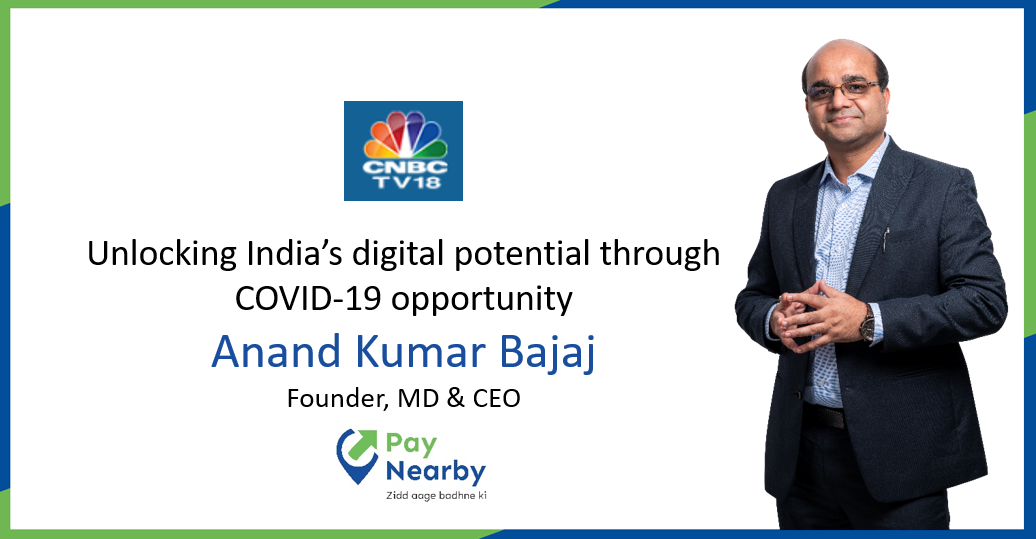
Commenting on the findings, Anand Kumar Bajaj, Founder, MD & CEO, PayNearby, said, “Women in Bharat are stepping into leadership roles as financial and digital service providers, not only securing their own financial future but also transforming their communities. The rapid increase in insurance adoption, savings participation, and formal credit uptake reflects a fundamental shift in women’s financial behavior. Women are the GDP reserve of our nation, holding the potential to drive social and economic progress at the last mile. As women embrace banking, credit, and insurance services, they are reshaping the financial ecosystem at the grassroots. PayNearby remains committed to ensuring that every woman in Bharat has access to secure and sustainable financial solutions, bringing the nation closer to financial empowerment for all.”
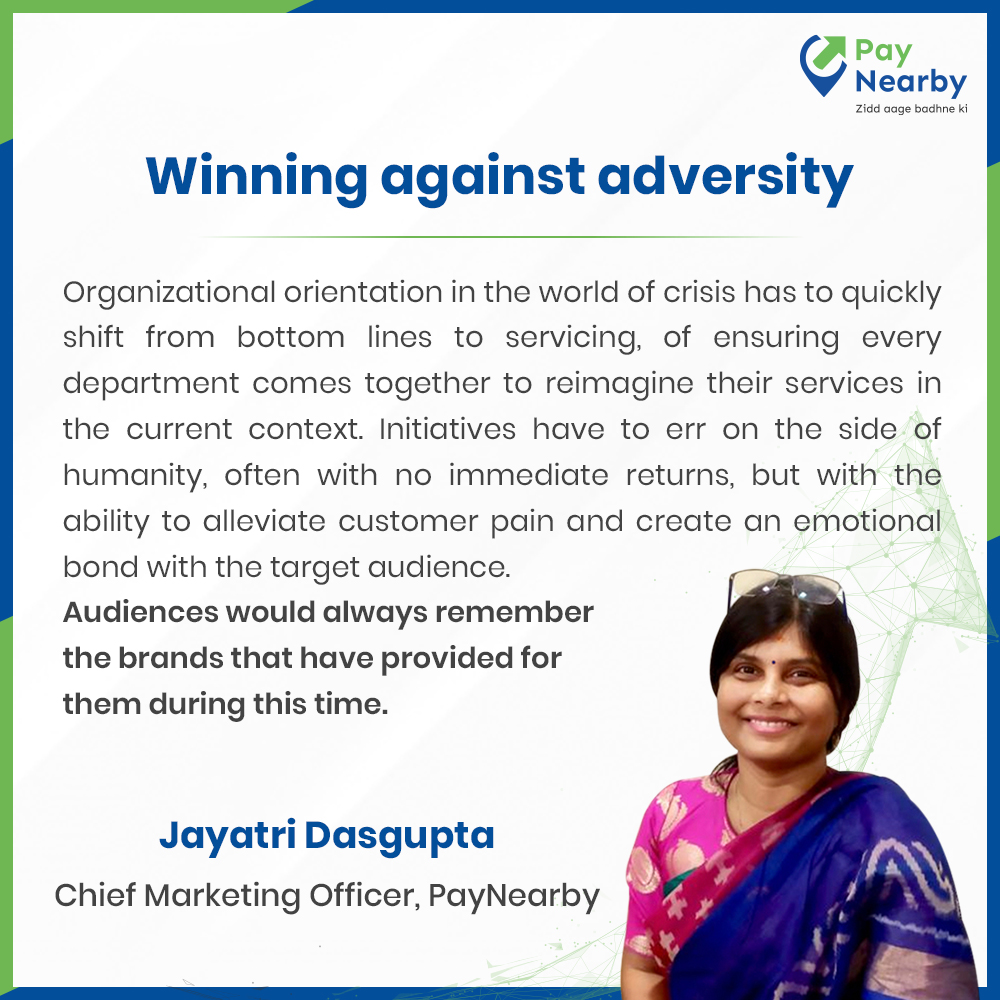
Jayatri Dasgupta, CMO, PayNearby & Program Director, Digital Naari, added, “The role of women agents is proving to be transformative in last-mile financial access, as women clearly show preference for transacting through a trusted female service provider. We are witnessing a strong shift in how women engage with financial services, with savings, credit, insurance, and assisted commerce seeing unprecedented growth. Women agents are outperforming in dispensing insurance and driving higher financial adoption rates, reinforcing their role as community influencers and financial facilitators. As multi-utility points women agents show to be significantly more effective than their male counterparts, with higher customer engagement and retention, further strengthening their role in enabling financial empowerment at the last mile. The demand for savings accounts, mutual fund investments, and affordable insurance plans has surged, demonstrating the importance of gender-led financial accessibility. As more women take on these roles, they are not only strengthening the financial ecosystem but also paving the way for a more equitable and financially inclusive society.”
With women agents bridging the gender gap and leading the financial services revolution, Bharat is experiencing a transformative shift in women’s financial behavior. As women become more financially independent, adopt digital solutions, and explore entrepreneurship, their impact on rural and semi-urban economies will continue to grow. Insurance and savings have become the key drivers of financial security, and women agents are playing a pivotal role in making these services accessible to every household across Bharat.
- Source – PayNearby
- Published Date – March 6, 2025